
Today, social media and society heavily influence how we see beauty and self-worth. So, it’s more important than ever to teach our kids body positivity.
As a parent or caregiver, you play a crucial role in shaping your child’s relationship with their body.
You help them navigate messages that may hurt their self-esteem.
In this article, we’ll explore practical ways you can foster body positivity in your child’s daily life, model healthy body image and positive self-talk, utilize age-appropriate resources, address negative messages, recognize signs of struggle, encourage appreciation of unique qualities, understand the role of diet and exercise, foster open communication, build resilience against societal pressures, and create a positive home environment.
Practical Ways to Foster Body Positivity
One of the most powerful ways to promote body positivity in your child is through everyday activities and conversations.
There are several practical steps you can take in their daily life to promote a healthy self-image and positive relationship with their body.
Here are some tips tailored specifically for you as a parent or caregiver:
1. Focus on Abilities Over Appearance
Encourage your child to focus on what their body can do rather than how it looks.
Instead of complimenting their appearance, praise their abilities, such as their strength, agility, or creativity.
By highlighting their skills and talents, you help them develop a sense of self-worth beyond physical appearance.
2. Use Affirmations and Positive Language
Incorporate positive affirmations into your daily interactions with your child.
Use phrases like “You are strong,” “You are capable,” and “You are loved” to reinforce positive self-image.
By consistently using affirming language, you help build your child’s confidence and self-esteem.
3. Create a Supportive Environment
Cultivate a supportive environment at home where your child feels accepted and valued for who they are.
Avoid making negative comments about your own body or others’ bodies, as children often mimic the behavior they observe.
By modeling self-acceptance and respect for diversity, you set a positive example for your child to follow.
Sign up for our Parenting Courses today!
4. Encourage Healthy Habits
Emphasize the importance of healthy habits, such as eating nutritious foods and staying active, for overall well-being rather than weight or appearance.
Teach your child to listen to their body’s hunger and fullness cues and to enjoy a balanced diet that includes a variety of foods.
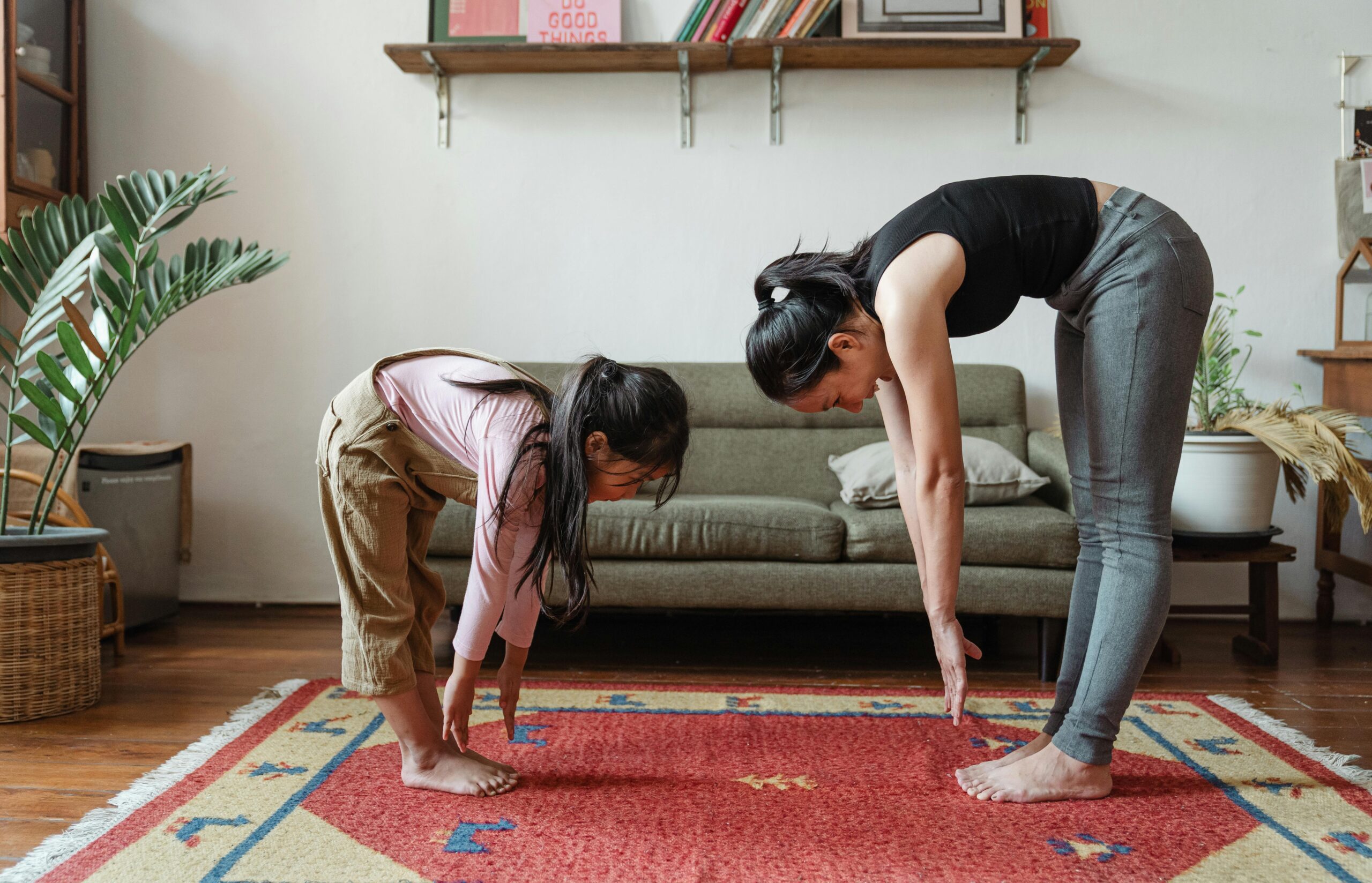
Encourage physical activity as a way to have fun and feel good rather than as a means to change their body.
5. Promote Self-Care and Self-Compassion
Teach your child the importance of self-care and self-compassion.
Encourage them to engage in activities that make them feel good, whether it’s taking a relaxing bath, spending time outdoors, or pursuing a hobby they enjoy.
Help them develop coping strategies for dealing with negative emotions and remind them that it’s okay to be kind to themselves, especially during challenging times.
6. Celebrate Differences and Diversity
Embrace diversity and celebrate differences in body types, abilities, and appearances.
Expose your child to a variety of representations in media, books, and toys to help them understand that beauty comes in all shapes, sizes, and colors.
Encourage them to appreciate the uniqueness of themselves and others, and challenge stereotypes and unrealistic beauty standards.
By implementing these practical strategies into your child’s daily life, you can help foster a positive body image and promote self-confidence and self-acceptance.
Remember that your words and actions have a powerful impact on your child, so continue to provide love, support, and encouragement as they navigate their journey towards body positivity.
Sign up for our Parenting Courses today!
Modeling Healthy Body Image
Children learn by example, and as a parent, you are your child’s first role model.
Be mindful of the way you talk about your own body and others’ bodies.
Avoid negative self-talk and instead model self-acceptance and appreciation for your body’s unique qualities.
Embrace diversity in body types and celebrate differences.
Your child will mirror your attitudes and behaviors towards body image, so it’s essential to demonstrate a healthy relationship with your own body.
Age-Appropriate Resources and Books
Utilize age-appropriate resources and books to teach your child about body positivity.
Look for books that celebrate diversity and promote self-love and acceptance.
Some recommendations include “I Like Myself” by Karen Beaumont, “Your Body is Awesome: Body Respect for Children” by Sigrun Danielsdottir, and “The Body Book for Boys” and “The Body Book for Girls” by Rebecca Paley.
Engage in discussions about body image and self-esteem using these resources to help your child develop a positive self-image from an early age.
Sign up for our Parenting Courses today!
Addressing Negative Messages
In today’s media-driven society, children are bombarded with unrealistic beauty standards and negative body image messages.
Be proactive in addressing these messages by having open and honest conversations with your child.
Teach them to critically analyze media images and recognize unrealistic portrayals of beauty. Encourage them to question and challenge these messages rather than internalizing them.
Recognizing Signs of Struggle
It’s essential to be vigilant for signs that your child may be struggling with body image issues.
Look out for changes in behavior, such as increased self-criticism, avoidance of certain foods, or withdrawal from social activities.
If you notice any concerning behaviors, approach your child with empathy and understanding. Validate their feelings and reassure them that you’re there to support them.
Sign up for our Parenting Courses today!
Encouraging Appreciation of Unique Qualities
Help your child appreciate and celebrate their body’s unique qualities and abilities.
Encourage them to focus on what makes them special and unique rather than comparing themselves to others.
Emphasize the importance of inner qualities such as kindness, compassion, and intelligence, which are not dependent on physical appearance.
By nurturing their self-confidence and self-worth, you can help your child develop a positive body image.
Role of Diet and Exercise
While it’s essential to promote healthy eating and physical activity, it’s equally important to emphasize health and well-being over appearance.
Encourage your child to listen to their body’s hunger and fullness cues and to enjoy a variety of foods in moderation.
Focus on the benefits of physical activity for overall health and happiness rather than weight loss or changing appearance.
By fostering a positive relationship with food and exercise, you can help your child develop a healthy body image.
Fostering Open Communication
Create a supportive and non-judgmental atmosphere where your child feels comfortable discussing body image and self-esteem.
Encourage open communication by listening attentively to your child’s concerns and validating their feelings.
Avoid dismissing or minimizing their experiences and instead offer empathy and support.
By fostering open communication, you can strengthen your relationship with your child and help them navigate through challenging situations.
Sign up for our Parenting Courses today!
Building Resilience Against Societal Pressures
Help your child develop resilience against societal pressures and unrealistic beauty standards by teaching them to value diversity and individuality.
Encourage them to surround themselves with positive influences and role models who celebrate uniqueness.
Teach them to challenge stereotypes and to embrace their authentic selves.
By instilling confidence and self-assurance in your child, you can empower them to resist external pressures and develop a strong sense of self-worth.
Sign up for our Parenting Courses today!
Creating a Positive Home Environment
Finally, create a positive home environment that promotes body positivity and self-acceptance.
Display diversity in media and toys, and celebrate all body types and abilities.
Encourage your child to express themselves freely and to pursue activities that bring them joy and fulfillment.
By creating a supportive and loving environment, you can lay the foundation for your child to develop a healthy body image and a positive sense of self.
Conclusion
As parents and carers, you have the power to shape your child’s perception of their body and instill a sense of body positivity that will serve them throughout their lives.
By incorporating these strategies into your parenting approach, you can help your child develop a healthy relationship with their body and cultivate a positive self-image.
Remember, your words and actions have a profound impact on your child, so lead by example and promote self-love and acceptance every day.
Sign up for our Parenting Courses today!

- How Foster Parents Can Support a Child Through Grief and Loss - May 12, 2026
- How Stability and Routine Help Foster Children Heal - May 12, 2026
- Why Foster Children Often Test Boundaries and Push Adults Away - May 12, 2026


Leave a Reply