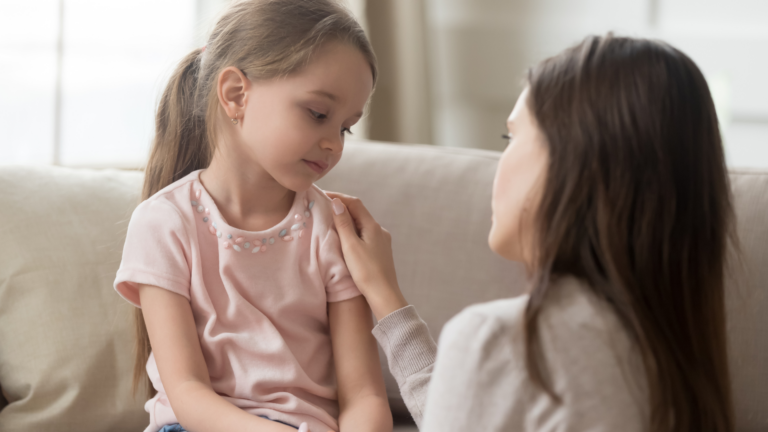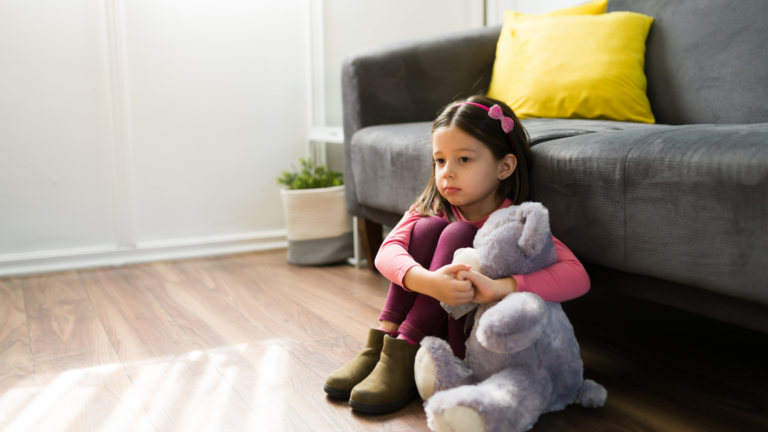
Grief is one of the most common yet misunderstood emotional experiences children face in foster care. While many people associate grief with death, foster children often experience many different forms of loss long before entering a foster home. Some lose connection with parents, siblings, schools, neighborhoods, pets, friends, routines, possessions,
Read more →For many children, stability is something they rarely have to think about. Daily routines, predictable schedules, familiar environments, and emotionally consistent caregivers create a sense of normalcy and safety that supports healthy emotional development. But for many children in foster care, life before placement was anything but stable. Some children

Read more →One of the most confusing and emotionally difficult experiences for many foster parents is watching a child push away the very people trying to help them. A foster parent may provide safety, structure, patience, kindness, and consistency, yet the child responds with anger, defiance, emotional withdrawal, manipulation, or constant testing
Read more →When people think about childhood trauma, they often picture visible forms of abuse such as physical violence or severe mistreatment. But one of the most damaging and misunderstood forms of trauma is neglect. Neglect is not always loud or obvious. Sometimes it is the absence of what a child desperately
Read more →For many children, home is supposed to be the safest place in the world. It is where children learn trust, emotional security, stability, and connection. Healthy homes help children develop confidence, emotional regulation, attachment, and the ability to feel protected during difficult moments. But for many children in foster care,
Read more →One of the most common challenges foster parents, teachers, caregivers, and support systems encounter with children in foster care is emotional dysregulation. Some children become angry very quickly. Others seem overwhelmed by small situations. Some shut down emotionally, while others experience intense emotional outbursts that appear disproportionate to the situation
Read more →Becoming a foster parent is one of the most meaningful decisions a person or family can make. Opening your home to a child in need can provide safety, stability, encouragement, and healing during one of the most difficult seasons of a child’s life. Foster parents have the opportunity to become
Read more →Education plays a critical role in a child’s development and future opportunities. School is not only a place for academic learning, but also a place where children build confidence, develop relationships, learn emotional skills, and create stability in their daily lives. For many children, school becomes one of the most
Read more →Every child needs love. But for children in foster care, love is often far more complicated than most people realize. Many foster children have experienced deep emotional pain long before entering a foster home. Some have lived through abuse, neglect, abandonment, domestic violence, addiction in the home, repeated instability, or
Read more →One of the most important emotional needs every child has is the need for safe, stable, loving attachment. Healthy attachment forms when children consistently experience comfort, protection, emotional responsiveness, and care from trusted adults during early childhood. These early relationships help shape how children view themselves, other people, and the
Read more →