
Foster parenting is full of moments that stretch your patience and open your heart.
Some days, it feels like everything is going smoothly.
Other days, emotions both yours and your foster child’s can feel like a tidal wave.
That’s normal.
For many foster kids, big feelings come with the territory.
A lot of children in care have been through situations where they didn’t feel safe, heard, or understood.
Those experiences can make it tough for them to know what to do when they feel angry, scared, or sad.
As a foster parent, you have the chance to guide them, to show them it’s okay to have feelings and even more importantly, how to handle them in healthy ways.
This isn’t about being perfect.
It’s about creating a safe space where your foster child can learn to feel, express, and manage their emotions step by step.
Why Emotional Regulation Feels Hard for Foster Kids
If your foster child struggles with meltdowns, shutting down, or swinging between extremes, it’s not because they’re “bad.”
Emotional regulation is something kids learn from stable, nurturing caregivers.
If a child hasn’t had that kind of support consistently, it’s not surprising that they find it hard to calm themselves or talk about how they feel.
Trauma, neglect, and loss can rewire a child’s brain to stay on high alert.
That’s why you might see things like:
- Anger that seems to come out of nowhere.
- Withdrawal or silence when you ask how they feel.
- Fear of changes in routine or sudden transitions.
- Nightmares, trouble sleeping, or food hoarding.
If you’ve seen these behaviors, you’re not alone.
They’re signs of a child trying to navigate emotions they may not even have words for.
Creating a Safe Place to Feel
Think of your home as a sanctuary for their nervous system.
When a child knows that they are safe with you, their brain can start to relax and that’s when real emotional growth happens.
You can create this kind of environment by:
- Having a calm corner with soft pillows, blankets, and sensory tools where they can take a breather.
- Keeping your tone gentle and predictable, even when they’re upset.
- Letting them know what’s coming next: “In 10 minutes, we’ll get ready for bed.
I’ll remind you when it’s time.” - Reducing chaos—turning down background noise, lowering lights, or slowing down transitions.
Small things like this tell a child, “You’re safe here. You can be yourself, even when it’s hard.”
Sign up for our Parenting Courses today!
Handling Emotional Outbursts Without Losing Your Cool
When a foster child is in the middle of a meltdown, it’s easy to feel frustrated.
But remember: their big emotions are a cry for safety and understanding.
The most powerful thing you can do is stay calm.
Try these steps:
- Take a deep breath before you respond.
- Validate their feelings: “I can see you’re really angry. It’s okay to feel angry. It’s not okay to hit.”
- Offer choices: “Do you want to cool off on the couch or in your calm corner?”
- Sit with them. Sometimes your quiet presence is more powerful than any words.
- Talk about what happened later, when everyone is calm.
Connection comes before correction.
If they feel understood, they’re more likely to learn from the moment.
Helping Kids Find Their Words
A lot of kids in foster care have never been taught how to talk about feelings.
Giving them an emotional vocabulary can feel like handing them a map.
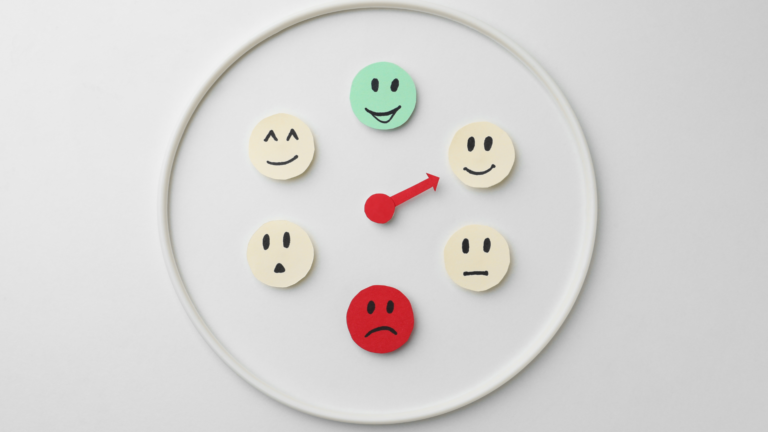
- Use feeling charts or “mood meters” so they can point to how they feel.
- Say what you see: “Your fists are tight, and you’re frowning. Are you feeling frustrated?”
- Read books that talk about emotions or watch shows that model feelings.
- Check in throughout the day: “Are you in a happy place, a worried place, or a tired place right now?”
When they can name their feelings, they’re less likely to act them out.
Sign up for our Parenting Courses today!
Tools to Help Kids Calm Down
Sometimes, kids need practical ways to “reset” when feelings run high.
You can build a simple toolbox of calming activities and let them choose what works best.
Ideas include:
- Deep breathing exercises (like pretending to blow up a balloon).
- Drawing, coloring, or journaling.
- Sensory play like squishy toys, putty, or stress balls.
- A “grounding” game where they name 5 things they see, 4 they feel, 3 they hear, 2 they smell, and 1 they taste.
- Quiet music or a weighted blanket for comfort.
- Physical activity like jumping jacks, a quick run, or dancing it out.
Be Their Example
Kids learn how to handle emotions by watching the adults around them.
If you show how to stay calm, take breaks, and express feelings, they’ll start to mirror that.
You might say, “I’m feeling stressed, so I’m going to take a deep breath,” or, “I’m sad today, but that’s okay—I’m going to take care of myself with a walk.”
Your honesty shows them that emotions are normal, not scary.
Sign up for our Parenting Courses today!
When It’s Time to Get Extra Help
There’s no shame in reaching out for professional support.
If your foster child struggles with severe anxiety, aggression, self-harm, or withdrawal, a trauma-informed therapist or counselor can give you both tools to move forward.
You don’t have to have all the answers.
Sometimes, the best way to help is by bringing in someone who specializes in healing emotional wounds.
Progress, Not Perfection
Helping a foster child learn to manage emotions isn’t about quick fixes.
It’s about slow, steady progress.
Some days will feel messy.
Other days will feel like a breakthrough.
Both are part of the process.
Every time you respond with patience, you’re teaching them something life-changing: “Your feelings are valid.
You’re safe here. And together, we’ll figure this out.”
That’s how healing begins with one safe, steady adult who refuses to give up.
Sign up for our Parenting Courses today!

- How Foster Parents Can Support a Child Through Grief and Loss - May 12, 2026
- How Stability and Routine Help Foster Children Heal - May 12, 2026
- Why Foster Children Often Test Boundaries and Push Adults Away - May 12, 2026


Leave a Reply