
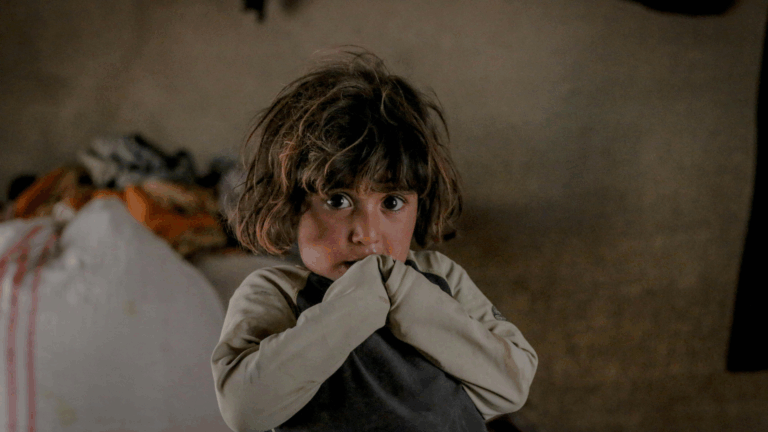
Becoming a foster parent is a rewarding journey, but it can also feel overwhelming.
One of the biggest challenges foster children face is finding a sense of belonging.
They may struggle to feel like they are truly part of a family, and understanding why this happens can help you support them with patience, care, and confidence.
Belonging goes beyond having a roof over their head or meals on the table. It’s about feeling safe, accepted, and emotionally connected.
For foster children, this can be complicated by past experiences, frequent moves, and the loss of important relationships.
Knowing the unique challenges they face can guide you in helping them feel secure and included.
What Belonging Means for a Foster Child
For most children, belonging means feeling loved, safe, and understood. Foster children may define it differently.
Some may measure belonging by consistency, by knowing that an adult will be there for them no matter what.
Others may need to feel that their opinions are valued or that their past is respected.
Understanding that belonging is emotional as well as physical helps you see why some behaviors, like withdrawal or testing rules, are not about misbehavior, they are about seeking security and connection.
Sign up for our Parenting Courses today!
Why Belonging Is Especially Hard for Foster Children
Frequent Moves and Instability
Many foster children have experienced multiple placements.
Each move disrupts routines, friendships, and attachments.
It can leave a child feeling that stability is temporary and that no home is truly safe.
This makes it harder for them to trust new caregivers or feel included in a family.
Sign up for our Parenting Courses today!
Separation from Biological Family
Even when children are in safe foster homes, they may miss their biological family.
This can create mixed emotions, loyalty, sadness, and confusion.
They may feel torn between their past and the new family they are trying to connect with.
These feelings can make it difficult to fully embrace a foster home.
Difficulty Trusting Adults
Past trauma, neglect, or broken attachments can make children cautious.
They may test your patience, challenge rules, or withdraw emotionally to protect themselves.
This behavior isn’t about defiance—it’s a sign that they are unsure whether they can rely on adults.
The Role of Trauma in Belonging
Trauma affects how children regulate emotions, form attachments, and interact with others.
Foster children may react strongly to changes or challenges.
You might notice withdrawal, acting out, or emotional outbursts.
These behaviors are often ways of coping with fear or uncertainty.
Recognizing the role of trauma helps you respond with empathy rather than frustration.
Calm, consistent responses reassure the child that your home is safe and predictable.
Identity and Feeling Different
Foster children may struggle with their identity.
They might feel different from peers or from their foster family.
Cultural, racial, or familial differences can make inclusion more complicated.
Supporting a child’s sense of identity is key.
Encourage them to share their background, traditions, and preferences.
Respecting their individuality while welcoming them into your family helps them feel accepted for who they are.
Sign up for our Parenting Courses today!
How Foster Parents Can Support Belonging
Establish Routines and Predictability
Predictable routines make children feel safe.
Simple daily schedules, consistent mealtimes, and regular bedtime routines provide stability.
When a child knows what to expect, they can relax and start to trust that your home is a safe place.
Show Consistent Love and Validation
Small gestures of attention, reassurance, and praise go a long way.
Validate their feelings even if they are difficult to handle.
For example, saying “I can see you’re frustrated, and that’s okay” lets them know their emotions are understood while helping them feel connected.
Encourage Expression and Inclusion
Invite children to share their thoughts and feelings.
Include them in family decisions and activities, but respect their comfort level.
This helps them feel like a valued member of the family rather than an observer.
Sign up for our Parenting Courses today!
Communicate Clearly and Honestly
Open, age-appropriate communication builds trust.
Explain changes, rules, and expectations in a calm and consistent way.
Listening actively and responding thoughtfully reassures them that their voice matters.
Respect Their Boundaries
Some children need time before fully trusting or opening up.
Pressuring them to connect can backfire.
Be patient, and let them move at their own pace while maintaining consistent care and support.
The Role of Relationships Outside the Home
Belonging isn’t only about the foster home.
Supportive relationships with teachers, mentors, peers, or biological family members can help children feel included.
Encourage healthy friendships and connections, and, when safe, maintain positive contact with their biological family.
These relationships strengthen their sense of identity and belonging.
Recognizing Signs a Child Struggles with Belonging
Children who feel disconnected may:
- Withdraw from family activities
- Act out or challenge rules frequently
- Show anxiety or stress around transitions
- Struggle to accept love or attention
Recognizing these signs early allows you to respond with support, patience, and reassurance.
Sign up for our Parenting Courses today!
When to Seek Professional Support
Sometimes, children need additional help to navigate attachment and belonging.
Consider professional support if:
- Emotional or behavioral struggles persist
- Trauma impacts daily functioning or relationships
- You need guidance on strategies for helping the child feel included
Therapists, social workers, and support groups can provide tools and guidance for both the child and you as a caregiver.
Conclusion
Helping a foster child find a sense of belonging is a gradual process.
Past trauma, instability, separation, and identity challenges make it harder for them to feel fully included.
As a foster parent, you play a critical role in helping them feel safe, accepted, and valued.
Consistency, patience, and empathy are your greatest tools.
Small, daily actions, listening, validating feelings, maintaining routines, and celebrating individuality build trust and emotional security.
Over time, these efforts help the child move closer to feeling like they truly belong.
Sign up for our Parenting Courses today!

- Foster Parenting vs Adoption: Which Path Is Right for You? - March 19, 2026
- Emergency Foster Care: How It Works and Who It’s For - March 19, 2026
- Apply to Become a Foster Parent: What to Expect from Start to Finish - March 19, 2026


Leave a Reply