
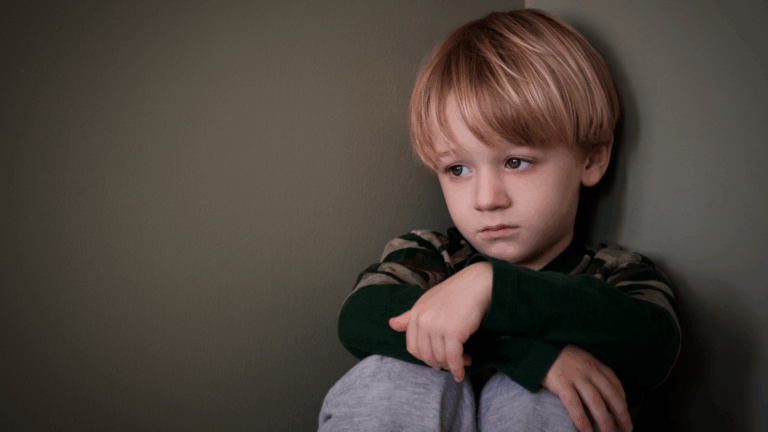
Children in foster care often carry emotional wounds that are invisible to the outside world. While some children openly express sadness or fear, many communicate pain through behavior instead. What may appear to be anger, defiance, withdrawal, dishonesty, aggression, or emotional instability is often rooted in trauma that began long before a child entered foster care.
Understanding how trauma affects behavior is one of the most important responsibilities foster parents, caregivers, educators, and support systems can embrace. Without this understanding, adults may misinterpret trauma responses as simply “bad behavior” or intentional disobedience. But when viewed through a trauma-informed lens, many challenging behaviors begin to make sense.
Children in foster care are not simply reacting to the present moment. Many are responding from survival patterns developed during periods of neglect, abuse, abandonment, instability, domestic violence, addiction in the home, or emotional insecurity.
Trauma changes how children think, feel, react, trust, and relate to others. It can impact brain development, emotional regulation, stress responses, attachment, learning, and self-worth. These effects often show up behaviorally in ways that are confusing or overwhelming for caregivers who may not fully understand the emotional roots beneath the surface.
Recognizing the connection between trauma and behavior is essential for creating environments where foster children can feel emotionally safe enough to begin healing.
What Is Trauma?
Trauma occurs when a child experiences overwhelming stress, fear, danger, instability, or emotional pain that exceeds their ability to cope.
For children in foster care, trauma may include:
- Physical abuse
- Emotional abuse
- Sexual abuse
- Neglect
- Domestic violence
- Substance abuse in the home
- Food insecurity
- Homelessness
- Abandonment
- Loss of caregivers
- Chronic instability
- Repeated foster placements
- Witnessing violence or addiction
Trauma can be caused not only by what happened to a child, but also by what was missing emotionally during critical developmental years.
For example:
- Lack of affection
- Emotional neglect
- Inconsistent caregiving
- Absence of emotional safety
- Unpredictable environments
Even when children are eventually removed from unsafe situations, their nervous systems and emotional responses may continue operating as though danger is still present.
Trauma Changes the Brain and Nervous System
Trauma is not simply a painful memory. It can physically impact how a child’s brain and nervous system develop.
Children exposed to chronic stress often remain in survival mode for long periods of time. Their brains become highly focused on detecting danger, protecting themselves emotionally, and preparing for threats.
This means traumatized children may become:
- Hypervigilant
- Easily startled
- Emotionally reactive
- Fearful of uncertainty
- Sensitive to criticism
- Overwhelmed by stress
- Unable to calm down easily
The brain’s fight, flight, freeze, or shutdown responses become overactive.
Because of this, foster children may react intensely to situations that appear minor to others.
For example:
- A raised voice may trigger fear.
- A change in routine may create panic.
- Correction may feel like rejection.
- Conflict may feel emotionally dangerous.
- Separation from caregivers may trigger anxiety.
Trauma responses are often automatic survival reactions, not intentional choices.
Why Foster Children May Seem Angry or Defiant
One of the most misunderstood trauma responses in foster care is anger.
Many traumatized children appear oppositional, argumentative, aggressive, or defiant. But anger is often a protective emotion covering deeper feelings such as fear, grief, shame, insecurity, or vulnerability.
Children who have experienced trauma may use anger because:
- It creates emotional distance.
- It prevents vulnerability.
- It provides a sense of control.
- It protects against rejection.
- It was modeled in previous environments.
Some children learned that aggression was necessary for survival in chaotic or unsafe homes.
Others developed defiant behaviors because trusting authority figures previously led to pain or disappointment.
When foster parents respond only to the behavior without understanding the emotional root beneath it, children may feel even more misunderstood or emotionally unsafe.
This does not mean boundaries are unimportant. Healthy structure and accountability matter deeply. But trauma-informed caregiving recognizes that behavior often communicates emotional distress.
Trauma Can Cause Emotional Shutdown
Not all trauma responses are loud or disruptive.
Some children respond by emotionally withdrawing.
These children may:
- Avoid eye contact
- Refuse affection
- Isolate themselves
- Shut down emotionally
- Struggle to communicate feelings
- Seem disconnected or numb
Emotional shutdown is often a survival response developed to protect against overwhelming emotional pain.
Children who experienced repeated rejection, emotional neglect, or abandonment may stop expressing emotions because vulnerability no longer feels safe.
Some children become extremely independent emotionally because they learned not to rely on adults.
This can make relationship-building difficult in foster care because caregivers may misinterpret emotional distance as lack of interest or attachment.
In reality, many withdrawn children deeply want connection but fear getting hurt again.
Trauma Affects Trust
Trust is one of the most common struggles for children in foster care.
Many children entering foster homes have experienced broken promises, inconsistent caregiving, emotional betrayal, abandonment, or abuse from adults they depended on.
As a result, children may believe:
- Adults are not safe.
- Relationships never last.
- Love disappears.
- Vulnerability leads to pain.
- Trusting others is dangerous.
These beliefs shape behavior in powerful ways.
Children may:
- Push caregivers away
- Test boundaries constantly
- Reject affection
- Lie or manipulate
- Avoid closeness
- Struggle with authority
- Sabotage relationships
These behaviors are often rooted in fear rather than intentional disrespect.
A child may think:
“If I push people away first, they cannot hurt me later.”
Understanding this helps foster parents respond with patience and consistency rather than taking behavior personally.
Trauma Impacts Emotional Regulation
Many foster children struggle with emotional regulation because they never learned healthy coping skills in early childhood.
Children typically learn emotional regulation through safe, stable relationships with caregivers who help them process emotions calmly and consistently.
But children raised in chaotic or neglectful environments may not have experienced that guidance.
As a result, foster children may:
- Have emotional outbursts
- Struggle to calm down
- React impulsively
- Become overwhelmed easily
- Experience intense mood swings
- Have difficulty expressing emotions appropriately
Traumatized children often need adults who can remain emotionally calm and regulated during difficult moments.
Children gradually learn emotional regulation through repeated experiences of safety, co-regulation, and supportive relationships.
Trauma Can Affect School Performance
Many foster children struggle academically because trauma impacts concentration, memory, emotional regulation, and stress tolerance.
Children in survival mode often focus more on emotional safety than learning.
Trauma can contribute to:
- Difficulty concentrating
- Poor memory retention
- Behavioral issues at school
- Anxiety in classroom settings
- Low motivation
- Social struggles
- Learning delays
Frequent school changes can worsen these challenges by disrupting educational continuity and social stability.
Some foster children also carry shame or insecurity related to their family situation, which may affect confidence and peer relationships.
Educational struggles are often deeply connected to emotional experiences outside the classroom.
Trauma Can Create Attachment Difficulties
Attachment refers to the emotional bond children develop with caregivers.
Healthy attachment develops when children consistently experience:
- Safety
- Love
- Comfort
- Emotional responsiveness
- Stability
Trauma and neglect can disrupt this process.
Children with attachment wounds may:
- Avoid closeness
- Fear intimacy
- Become overly controlling
- Cling intensely to caregivers
- Fear abandonment
- Push people away emotionally
These behaviors often confuse foster parents because children may simultaneously crave connection while resisting it.
A child may desperately want love while fearing emotional vulnerability.
Building attachment requires patience, consistency, emotional safety, and time.
Why Traditional Discipline May Not Work
Traditional discipline approaches focused primarily on punishment or control may not address the emotional roots of trauma-based behavior.
Children who already feel unsafe emotionally often need connection before correction.
This does not mean eliminating boundaries or consequences. Structure is incredibly important for traumatized children. But how adults respond matters deeply.
Trauma-informed caregiving focuses on:
- Emotional safety
- Predictability
- Calm communication
- Relationship-building
- Understanding triggers
- Teaching coping skills
- Co-regulation
- Consistent boundaries without shame
When children feel emotionally safe, behavioral growth becomes more possible.
Foster Parents Must Avoid Taking Behavior Personally
One of the most important things foster parents can remember is that many trauma behaviors are not truly about them.
Children may:
- Reject kindness
- Lash out emotionally
- Withdraw
- Test limits
- Resist affection
- Push caregivers away
These behaviors are often rooted in survival instincts developed long before entering the foster home.
Understanding this helps caregivers remain compassionate instead of becoming resentful or discouraged.
Healing requires emotionally stable adults who can respond consistently even when children struggle behaviorally.
Healing Happens Through Safe Relationships
The most powerful healing tool for traumatized children is often safe, stable, emotionally supportive relationships.
Children begin healing when they experience adults who:
- Keep promises
- Stay emotionally calm
- Remain present during hard moments
- Offer consistency
- Create structure
- Validate emotions
- Separate behavior from identity
- Provide unconditional care
Healing relationships help children slowly challenge painful beliefs trauma created.
Children begin learning:
- Adults can be safe.
- Relationships can last.
- Mistakes do not make them unlovable.
- Emotional closeness is not dangerous.
- They are worthy of care and belonging.
Trauma-Informed Foster Care Changes Perspective
Trauma-informed foster care changes how caregivers interpret behavior.
Instead of asking:
“What is wrong with this child?”
Trauma-informed adults ask:
“What happened to this child?”
That shift creates more empathy, patience, and emotional understanding.
Children in foster care are often carrying invisible emotional pain that affects behavior in profound ways.
Recognizing the impact of trauma helps caregivers respond more effectively and compassionately.
Final Thoughts
Trauma affects nearly every aspect of a child’s emotional and behavioral development. For children in foster care, difficult behaviors are often rooted in fear, instability, grief, abandonment, neglect, or survival patterns developed during painful experiences.
What may appear as anger, defiance, withdrawal, emotional outbursts, or trust issues is often a child’s attempt to feel emotionally safe in a world that once felt unpredictable or dangerous.
Understanding the connection between trauma and behavior changes how foster parents respond.
Children do not simply need rules and discipline. They need emotional safety, stability, patience, structure, compassion, and relationships built on trust and consistency.
Healing takes time. Trust develops slowly. Emotional growth happens gradually.
But when foster children experience safe and supportive relationships with caregivers who understand trauma, they begin learning something incredibly powerful:
Their past does not have to define their future.

- How Foster Parents Can Support a Child Through Grief and Loss - May 12, 2026
- How Stability and Routine Help Foster Children Heal - May 12, 2026
- Why Foster Children Often Test Boundaries and Push Adults Away - May 12, 2026


Leave a Reply