
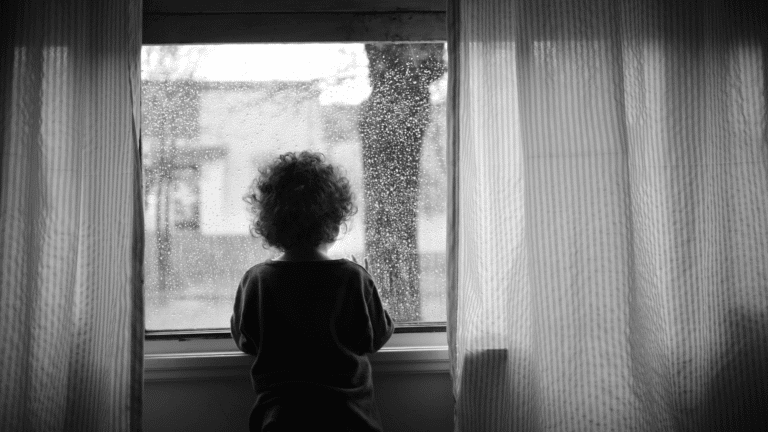
Trust is one of the most important foundations of a healthy relationship. For most children, trust begins developing early in life through consistent love, protection, emotional support, and stability from caregivers. But for many children in foster care, that foundation has been deeply damaged long before they enter a foster home.
Children who have experienced abuse, neglect, abandonment, domestic violence, addiction in the home, or repeated instability often learn difficult survival lessons very early in life. Some learn that adults are unpredictable. Others learn that vulnerability leads to pain. Some discover that promises are broken, emotions are ignored, or relationships disappear without warning.
As a result, many traumatized children enter foster care carrying invisible emotional wounds that profoundly affect how they view relationships, authority, safety, and connection.
This means foster parents are not simply welcoming children into a new house. They are often caring for children whose entire understanding of trust has been shaped by fear, disappointment, instability, or trauma.
Building trust with traumatized children takes patience, consistency, emotional awareness, and compassion. It is rarely instant. In many cases, children may actively resist connection at first because trusting others no longer feels emotionally safe.
Understanding why traumatized children struggle with trust is one of the most important steps foster parents can take toward creating healing relationships that help children feel secure, valued, and emotionally protected.
Why Traumatized Children Struggle to Trust Adults
Children are naturally wired for connection. In healthy environments, they learn that caregivers provide safety, comfort, love, and stability. Over time, this creates secure attachment and emotional trust.
But when children experience chronic neglect, abuse, abandonment, or emotional inconsistency, their brains and nervous systems adapt to survive those environments.
Some children learn:
- Adults cannot be trusted.
- Love disappears unexpectedly.
- Asking for help is unsafe.
- Emotional closeness leads to pain.
- Vulnerability creates danger.
- Relationships are temporary.
These beliefs may not be spoken out loud, but they can shape nearly every interaction a child has with caregivers.
Traumatized children often enter foster homes expecting disappointment or rejection. Some may assume foster parents will eventually leave them like others have before. Others may believe they are unlovable or “bad.”
Because of this, children may test foster parents repeatedly to see whether they are truly safe and consistent.
This testing is often misunderstood.
What looks like defiance or manipulation may actually be fear.
Trauma Changes Behavior
Trauma affects far more than emotions. It can impact brain development, emotional regulation, stress responses, attention, memory, and behavior.
Children who have experienced trauma may live in a constant state of emotional alertness. Their nervous systems can become highly sensitive to perceived threats, even in safe environments.
As a result, foster parents may notice behaviors such as:
- Anger
- Emotional outbursts
- Withdrawal
- Lying
- Aggression
- Difficulty following rules
- Fear of affection
- Anxiety
- Hypervigilance
- Extreme emotional reactions
- Avoidance of closeness
Many traumatized children developed these behaviors as survival mechanisms.
For example:
- A child who learned adults cannot be trusted may reject comfort.
- A child who experienced chaos may struggle with structure.
- A child who was constantly criticized may react strongly to correction.
- A child who experienced abandonment may panic during separation.
Behavior often communicates emotional pain that children do not yet know how to express verbally.
Understanding this changes how foster parents respond.
Instead of asking:
“What is wrong with this child?”
Compassionate caregivers begin asking:
“What happened to this child?”
That shift creates the foundation for healing relationships.
Trust Is Built Through Consistency
One of the most powerful ways foster parents build trust is through consistency.
Traumatized children often come from unpredictable environments where rules, emotions, routines, and expectations constantly changed. Some children never knew whether caregivers would be loving, angry, absent, intoxicated, or emotionally unavailable from one moment to the next.
Consistency creates emotional safety because it helps children predict their environment.
Simple routines matter deeply:
- Consistent meal times
- Stable bedtime routines
- Predictable responses
- Clear expectations
- Following through on promises
- Calm communication
Children begin learning:
“This environment is safe.”
“These adults are dependable.”
“I know what to expect here.”
Even small promises matter.
If a foster parent says:
“We’ll play a game after dinner,”
Following through helps reinforce trust.
Traumatized children often pay close attention to whether adults keep their word because broken promises may have been common in their past.
Emotional Safety Must Come Before Control
Many foster children struggle with emotional regulation because they never learned healthy coping skills in early childhood.
Traditional discipline methods that rely heavily on punishment, shame, yelling, or control can sometimes increase fear and emotional instability instead of improving behavior.
Children who already feel unsafe emotionally often need connection before correction.
This does not mean foster parents should avoid boundaries or structure. Healthy boundaries are important. But the way those boundaries are communicated matters enormously.
Children build trust when caregivers:
- Stay calm during emotional moments
- Avoid humiliating or shaming language
- Correct behavior without rejecting the child
- Remain emotionally present during conflict
- Respond consistently rather than unpredictably
A traumatized child needs to know:
“Even when I struggle emotionally, I am still safe here.”
That message helps reduce fear and defensive behavior over time.
Patience Is Essential
One of the hardest parts of foster parenting is understanding that trust may develop slowly.
Some children may initially reject affection, push caregivers away, or behave in ways that seem confusing or hurtful.
This is often protective behavior.
Traumatized children may fear emotional closeness because previous relationships caused pain.
Some children test caregivers intentionally to answer internal questions like:
- “Will you still care about me if I mess up?”
- “Will you abandon me too?”
- “Are you really safe?”
- “Can I rely on you emotionally?”
Foster parents who remain patient and emotionally grounded during these moments help children slowly develop trust.
Healing does not happen overnight.
For some children, simply accepting kindness can feel uncomfortable because it is unfamiliar.
Listening Builds Connection
Traumatized children often feel unheard, dismissed, or emotionally invalidated.
One of the simplest but most powerful trust-building tools is active listening.
Children need space to express:
- Fear
- Anger
- Confusion
- Sadness
- Anxiety
- Grief
Sometimes foster parents feel pressure to immediately “fix” emotions or solve problems. But often, children primarily need emotional validation.
Statements like:
- “That sounds really hard.”
- “I understand why you feel upset.”
- “You’re safe here.”
- “I’m here for you.”
can help children feel emotionally seen and supported.
Listening without judgment helps children believe their emotions matter.
Relationship Comes Before Behavior
Many foster parents understandably become focused on correcting difficult behaviors. But traumatized children often need relational safety before meaningful behavioral change can occur.
Children are far more likely to respond positively to guidance when they feel emotionally connected to caregivers.
Connection creates influence.
This is why small relational moments matter:
- Playing games together
- Sharing meals
- Reading together
- Attending activities
- Laughing together
- Showing interest in the child’s hobbies
- Offering encouragement
Healthy relationships help children develop emotional security.
Children who feel emotionally safe often become more receptive to boundaries, structure, and guidance over time.
Foster Children Need Unconditional Care
Many traumatized children believe love must be earned through perfect behavior.
Some fear rejection whenever they make mistakes.
Others may assume they are fundamentally “bad” because of the abuse, neglect, or instability they experienced.
Foster parents help rebuild trust when children experience consistent care that is not withdrawn during difficult moments.
This does not mean tolerating harmful behavior without consequences. It means separating behavior from identity.
Instead of:
“You’re bad.”
Healthy caregivers communicate:
“This behavior is not okay, but you are still loved and valued.”
That distinction matters deeply.
Children who experience unconditional care begin learning:
“My mistakes do not make me unworthy of love.”
Trust Requires Emotional Regulation From Caregivers
Children often mirror the emotional environment around them.
When foster parents react with anger, unpredictability, or emotional escalation, traumatized children may feel unsafe or triggered.
Remaining calm during difficult moments helps children learn emotional regulation through example.
This can be incredibly challenging, especially when children display intense behaviors. Foster parenting often requires enormous emotional patience and self-awareness.
Caregivers who regulate their own emotions well create safer emotional environments for healing.
Sometimes the most powerful trust-building statement is not verbal at all.
It is a calm presence during a child’s hardest moments.
Understanding Attachment Difficulties
Trauma can interfere with healthy attachment development.
Some foster children may:
- Avoid closeness
- Resist affection
- Become overly independent
- Struggle with vulnerability
- Fear emotional intimacy
- Become extremely attached very quickly
Children with attachment wounds often crave connection while simultaneously fearing it.
This emotional contradiction can confuse caregivers.
A child may desperately want love while pushing people away at the same time.
Building attachment requires repeated experiences of emotional safety, consistency, responsiveness, and patience.
Children need to experience relationships that teach them:
- Adults can be safe.
- Emotional closeness is not dangerous.
- Relationships can be stable.
- They are worthy of love and care.
Why Foster Parents Should Avoid Taking Behavior Personally
One of the most important things foster parents can remember is that many trauma-based behaviors are not truly about them.
Children may:
- Reject affection
- Lash out emotionally
- Refuse help
- Withdraw
- Test boundaries
- Push caregivers away
These behaviors are often rooted in fear, grief, insecurity, or survival instincts developed long before the child entered the foster home.
Understanding this helps foster parents respond with empathy rather than resentment.
Healing relationships require adults who can remain emotionally steady even when children struggle to trust.
Small Moments Often Matter Most
Trust is rarely built through one dramatic breakthrough moment.
More often, it develops gradually through hundreds of small interactions over time.
Children notice:
- Whether caregivers keep promises
- Whether adults stay calm
- Whether they feel emotionally safe
- Whether mistakes lead to rejection
- Whether their emotions are respected
- Whether adults remain present consistently
Small moments of safety and connection accumulate slowly.
Over time, children begin lowering emotional defenses and allowing themselves to trust again.
Final Thoughts
Building trust with traumatized children is one of the most meaningful and challenging parts of foster parenting.
Children entering foster care often carry deep emotional wounds shaped by instability, abandonment, neglect, abuse, or broken relationships. Many have learned that adults are unpredictable or unsafe. Because of this, trust does not happen automatically.
But healing becomes possible when foster parents create environments rooted in patience, consistency, emotional safety, structure, compassion, and unconditional care.
Traumatized children do not need perfection from caregivers. They need adults who remain present, emotionally steady, and trustworthy over time.
Every calm response, every kept promise, every moment of emotional safety, and every act of consistent care helps children slowly rewrite the painful beliefs trauma taught them.
And for many children in foster care, learning that safe and loving relationships truly exist can become one of the most life-changing parts of their healing journey.

- How Foster Parents Can Support a Child Through Grief and Loss - May 12, 2026
- How Stability and Routine Help Foster Children Heal - May 12, 2026
- Why Foster Children Often Test Boundaries and Push Adults Away - May 12, 2026


Leave a Reply