
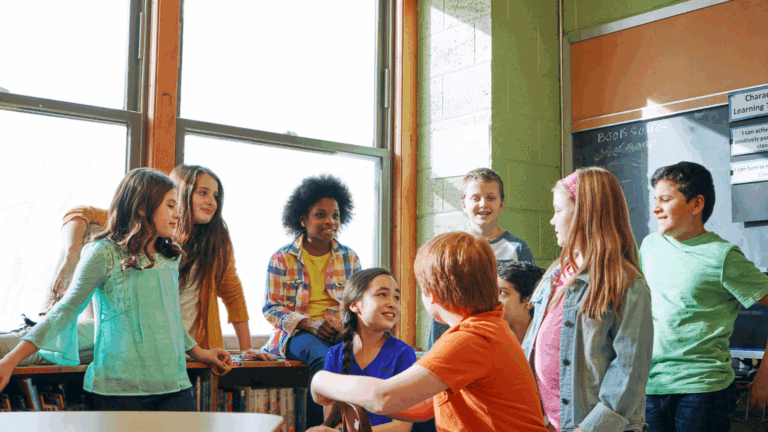
Helping your foster child develop social skills can feel overwhelming at times.
Many children in foster care have experienced instability, trauma, or separation, which can make everyday interactions such as sharing, taking turns, or making friends feel challenging.
You might notice your child struggling to connect with peers or expressing frustration in social situations.
One of the most effective ways to support them is through play.
Play is not only fun, it provides a safe, natural way for your child to practice communication, empathy, teamwork, and problem-solving.
Here are seven activities you can use to help your foster child build social skills while having fun
Cooperative Games
Games that require teamwork are excellent for teaching children how to collaborate.
Board games, building puzzles, or small group challenges encourage children to work together toward a shared goal.
The focus should be on celebrating achievements rather than winning.
Cooperative games give your child an opportunity to practice patience, turn-taking, and problem-solving in a low-pressure setting.
To make it more effective, encourage conversation during the game.
Ask questions about the strategies they are using or how they feel when they are helping others.
Praise moments of cooperation, effort, and teamwork rather than just the outcome.
These games not only teach social skills but also build confidence and a sense of accomplishment.
Creative Art Projects
Art is a powerful tool for expression and social development.
Collaborative art projects such as murals, group collages, or shared crafts help your child practice negotiation, sharing, and appreciating other people’s ideas.
You can sit with your child and engage in conversation about the project, asking them about their choices and praising their participation.
Art projects allow children to work at their own pace while interacting with others.
They can express feelings they may not be able to put into words, and they learn how to navigate giving and receiving input.
Sharing creative experiences teaches them patience and encourages empathy.
It also provides a platform for celebrating their individuality within a group setting.
Cooking or Baking Together
Cooking or baking together is more than making a meal.
It is a practical and fun way to practice social skills.
Your child can learn to follow directions, take turns, and work toward a shared goal.
Let them participate in planning the meal, measuring ingredients, stirring, or decorating.
Cooking provides natural opportunities for communication and cooperation.
You can model teamwork by talking through each step and encouraging your child to ask questions.
Celebrate their efforts, and enjoy the final product together.
These shared moments reinforce the importance of contributing to a team and feeling proud of accomplishments.
Sign up for our Parenting Courses today!
Role-Playing and Imaginative Play
Pretend play allows children to explore social roles and practice communication in a safe environment.
Playing scenarios such as store, school, or family helps your child develop empathy, problem-solving skills, and creativity.
Allow your child to lead the play while you participate, modeling positive social behaviors and responses.
Role-playing also gives children a way to process emotions or experiences that they may find difficult to express.
It provides a structured space to experiment with different social interactions and build confidence in navigating relationships.
You can gently guide the play when necessary, but letting your child make choices fosters independence and self-expression.
Sign up for our Parenting Courses today!
Helping Others
Volunteering or participating in community activities teaches compassion and teamwork.
Age-appropriate opportunities such as helping at a local garden, assisting with community events, or visiting animal shelters encourage your child to connect with others in meaningful ways.
When children participate in activities that benefit others, they learn responsibility and the value of contributing to a group.
It also helps them develop a sense of purpose and belonging.
You can support your child by explaining the impact of their actions and celebrating their efforts.
These experiences often leave a lasting impression and encourage positive social behaviors.
Sign up for our Parenting Courses today!
Outdoor Adventures
Spending time outdoors is a natural way for children to develop social skills while reducing stress.
Activities such as hiking, playing tag, or exploring local parks encourage cooperation, communication, and teamwork.
Outdoor play gives children space to interact freely while practicing problem-solving and negotiating rules with peers or family members.
Outdoor activities also help children manage emotions and release energy in a healthy way.
You can create opportunities for structured and unstructured play outdoors.
Even simple games that involve taking turns or collaborating teach valuable social skills while allowing your child to feel independent and confident.
Sign up for our Parenting Courses today!
Family Game Nights
Routine family activities provide predictability and a safe space for your child to learn social skills.
Games that require turn-taking, problem-solving, and negotiation help children practice communication and patience.
Family game nights also give you an opportunity to model empathy, cooperation, and positive conflict resolution.
Making these activities consistent establishes trust and helps your child feel secure.
Celebrate successes and laugh together.
The shared experience reinforces belonging and strengthens your bond.
Over time, your child will feel more comfortable expressing themselves and interacting positively with others.
Tips for Making Play Effective
Be patient.
Social skills take time to develop, especially for children who have experienced trauma or instability.
Keep activities safe, supportive, and predictable.
Adjust activities to your child’s age, comfort level, and interests.
Model empathy, cooperation, and positive communication during activities.
Praise effort and progress, not just outcomes.
Take time to reflect with your child on what went well and how they felt during the activity.
Sign up for our Parenting Courses today!
Observing Growth
Look for small signs of improvement in social skills.
This might include making eye contact, offering help voluntarily, showing empathy, taking turns patiently, or expressing pride in accomplishments.
Every small step is progress and a reason to celebrate.
Tracking these improvements helps you understand what activities are most effective and gives your child encouragement to continue developing their skills.
Recognize growth, even in tiny moments, and use it to reinforce positive behavior.
Conclusion
Helping your foster child build social skills does not have to be complicated.
Play provides a natural, enjoyable way to teach communication, empathy, and teamwork.
Whether through cooperative games, art projects, cooking, role-playing, community service, outdoor adventures, or family game nights, you are giving your child tools to navigate social interactions confidently.
These activities create opportunities for connection, laughter, and shared accomplishment. They help your child feel capable, supported, and valued.
By investing in these experiences, you are not only fostering social development, but you are also nurturing emotional resilience and a sense of belonging.
Every moment spent playing together strengthens your relationship and helps your foster child feel safe and loved.
Sign up for our Parenting Courses today!

- Foster Parenting vs Adoption: Which Path Is Right for You? - March 19, 2026
- Emergency Foster Care: How It Works and Who It’s For - March 19, 2026
- Apply to Become a Foster Parent: What to Expect from Start to Finish - March 19, 2026


Leave a Reply