
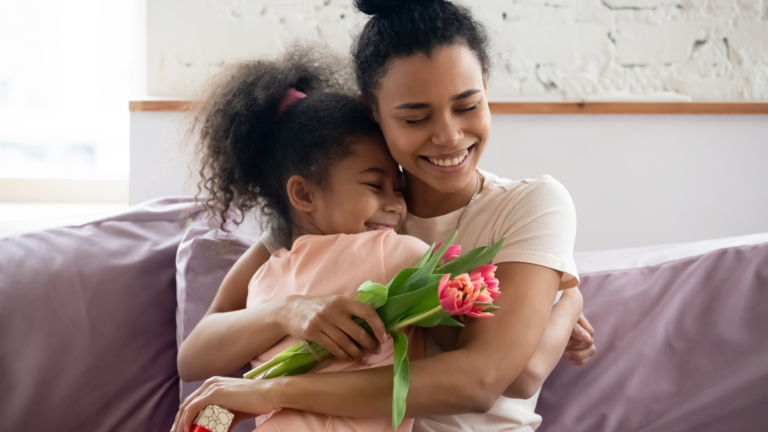
Gratitude and kindness are two of the most valuable traits a child can develop.
As a parent, you’re in a unique position to shape how your child sees and interacts with the world.
Teaching these qualities to young children isn’t just about building their character—it’s about preparing them for a happier, more fulfilling life.
Here’s how you can instill gratitude and kindness in your children in practical, meaningful ways.
Sign up for our Parenting Courses today!
Why Gratitude and Kindness Matter in Childhood
Teaching your child to be grateful and kind helps them form stronger relationships, develop empathy, and gain a deeper understanding of the world around them.
Grateful children tend to be more optimistic and resilient, while kind children often find it easier to navigate social situations.
These traits also contribute to their emotional intelligence, giving them tools to handle challenges with compassion and understanding.
Leading by Example
Children are sponges, absorbing the behaviors they see every day.
This means your actions speak louder than your words.
When you consistently express gratitude and kindness in your own life, your child notices.
Simple gestures like thanking a server at a restaurant, helping a neighbor, or saying “I appreciate you” to a family member can have a profound impact.
Make it a habit to talk about what you’re thankful for in front of your child.
For example, during dinner, you could say, “I’m grateful for this delicious meal and the time we’re spending together.”
These small moments create powerful lessons without needing a formal “teaching” moment.
Sign up for our Parenting Courses today!
Age-Appropriate Ways to Teach Gratitude and Kindness
Teaching gratitude and kindness looks different depending on your child’s age.
Here are some age-appropriate methods:
For Young Children (Toddlers and Preschoolers)
Start with simple phrases like “please” and “thank you.”
Young children may not fully understand the meaning, but the habit of saying these words lays a foundation. You can also use visual aids like a gratitude jar.
Encourage your child to add notes about things they’re thankful for, such as their favorite toy or a sunny day.
For Older Children
Older kids can engage in more thoughtful activities, like writing thank-you notes for gifts or drawing pictures to show appreciation.
These activities help them connect their gratitude to specific actions and people.
Everyday Opportunities to Practice Gratitude
Gratitude doesn’t have to be taught in big lessons.
Everyday life is full of opportunities to show your child what it means to be thankful.
- Gratitude in Daily Routines:
Incorporate gratitude into daily routines, like bedtime or mealtime.
Ask your child to name one thing they’re thankful for each day.
This practice not only reinforces gratitude but also becomes a cherished family tradition. - Highlight Small Blessings:
Help your child notice and appreciate the little things, such as the warmth of a cozy blanket or the fun of playing outside.
Pointing out these small moments helps them see the beauty in everyday life.
Sign up for our Parenting Courses today!
Activities to Encourage Kindness
Practicing kindness doesn’t have to be complicated.
You can create simple opportunities for your child to show kindness in ways they understand.
- Encourage Small Acts of Kindness
Encourage your child to share toys, help a sibling with a task, or comfort a friend who is upset.
Praise their efforts when they show kindness, reinforcing that their actions make a difference. - Set Kindness Challenges
Make kindness fun by setting small goals, like smiling at three people in a day or drawing a picture for someone they love.
These challenges turn kindness into a rewarding habit. - Family Kindness Projects
Get involved in family projects, like baking cookies for neighbors or donating unused toys to a charity.
These activities show your child how kindness can impact the wider community.
Teaching Gratitude and Kindness Through Storytelling
Stories can be powerful tools for teaching life lessons.
Books and stories with themes of gratitude and kindness can spark meaningful conversations with your child.
- Choose Age-Appropriate Books
Select books that demonstrate the value of helping others and being grateful.
Discuss the story afterward, asking questions like, “How do you think the character felt when someone helped them?” - Use Real-Life Stories
Share examples from your own life or stories about people in your community.
These real-world connections help your child see how gratitude and kindness play out in everyday situations.
Teaching Kindness During Conflicts
Conflicts, whether with siblings or peers, can be turned into valuable teaching moments.
- Addressing Sibling Rivalry
When arguments arise between siblings, encourage them to see things from the other’s perspective.
Teach them to use kind words to express their feelings and work together to resolve disagreements. - Peer Conflicts
If your child encounters a difficult situation with a friend, guide them to respond with empathy.
For instance, you might say, “What do you think your friend felt? How could you help make things better?”
These moments teach your child to approach conflicts with understanding and compassion rather than frustration or anger.
Reinforcing Kindness and Gratitude
Repetition is key to helping your child internalize these values.
By consistently acknowledging their efforts and providing encouragement, you reinforce their learning.
- Positive Reinforcement
Praise your child whenever you notice them being kind or expressing gratitude.
Be specific, saying things like, “I loved how you helped your friend with their puzzle. That was very kind of you.” - Focus on Feelings
Talk about how it feels to be kind or to receive kindness.
Ask your child, “How did it feel when you said thank you?” or “How do you think your friend felt when you helped them?”
Connecting these actions to emotions helps them understand the impact of their behavior.
Sign up for our Parenting Courses today!
Gratitude and Kindness Take Time
Teaching these traits isn’t something that happens overnight.
Children learn through repetition, observation, and consistent guidance.
Be patient and celebrate small wins along the way.
Every “thank you” or kind act is a step forward.
Even if your child doesn’t immediately grasp the deeper meaning of gratitude or kindness, your efforts are planting seeds that will grow over time.
Conclusion
Gratitude and kindness are gifts that you can give your child—traits that will enrich their lives and help them form meaningful connections.
By modeling these behaviors, creating opportunities for practice, and celebrating their efforts, you can help your child grow into a compassionate, grateful individual.
Start small.
Ask your child what they’re thankful for today or encourage them to perform one act of kindness.
These small moments have the power to shape their hearts and minds for years to come.
Sign up for our Parenting Courses today!

- Foster Parenting vs Adoption: Which Path Is Right for You? - March 19, 2026
- Emergency Foster Care: How It Works and Who It’s For - March 19, 2026
- Apply to Become a Foster Parent: What to Expect from Start to Finish - March 19, 2026


Leave a Reply