
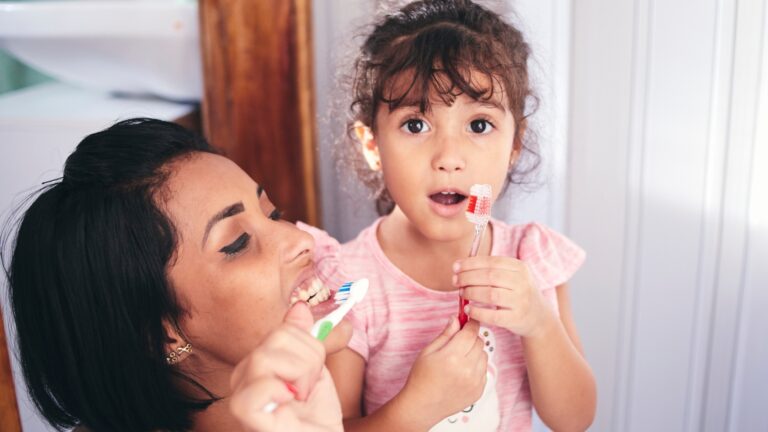
Teaching children about personal hygiene is a crucial part of parenting.
Good hygiene habits are foundational for a child’s health, self-esteem, and social interactions.
However, getting kids to embrace these routines can be challenging.
How do you make personal hygiene not just a necessary part of their day, but something they look forward to?
By making it fun, engaging, and a seamless part of their daily lives, you can help your children develop lifelong habits that are essential for their well-being.
Sign up for our Parenting Courses today!
Why Personal Hygiene is Important for Children
Personal hygiene isn’t just about keeping your kids clean; it’s about instilling habits that protect them from illnesses and boost their confidence.
Regular handwashing, brushing teeth, and bathing are crucial in preventing common infections and diseases.
Beyond physical health, good hygiene plays a significant role in how children feel about themselves.
When kids understand the importance of staying clean, they’re more likely to feel confident and comfortable in social settings, which is vital for their emotional development.
Sign up for our Parenting Courses today!
Common Challenges Parents Face When Teaching Personal Hygiene
As a parent, you’ve likely faced some resistance when it comes to getting your child to brush their teeth or wash their hands.
It’s common for children to view hygiene routines as boring or unnecessary.
They might forget to wash their hands after using the restroom or resist taking a bath because they’re too engrossed in play.
Understanding these challenges can help you address them more effectively.
One major hurdle is that children often see hygiene tasks as mundane chores.
This lack of interest can lead to forgetfulness or outright refusal to participate.
Additionally, the abstract nature of germs and hygiene might make it hard for young children to grasp why these practices are so important.
So, how do you overcome these obstacles?
By making hygiene fun and engaging, you can turn these daily tasks into something your kids look forward to.
Sign up for our Parenting Courses today!
Making Hygiene Fun
If you want your kids to embrace hygiene routines, it’s essential to make them fun.
Incorporating play into these tasks can transform them from chores into enjoyable activities.
Games and Songs – One way to make hygiene more enjoyable is by turning it into a game.
For example, you can create a “handwashing challenge” where your child tries to wash their hands for as long as it takes to sing a favorite song.
This not only ensures they’re washing for the recommended 20 seconds but also makes the process entertaining.
Similarly, you can create brushing teeth songs or make a game out of brushing all the “sugar bugs” away.
Themed Hygiene Days- Another idea is to have themed hygiene days.
For instance, “Superhero Saturday” could involve your child pretending to be their favorite superhero who needs to stay clean to fight off germs.
You can dress up, use themed bath products, or even create a story around the day.
This makes the routine feel like an adventure rather than a task.
Educational Stories and Videos – Incorporating educational stories and videos is another effective way to engage your child.
Many children’s books and videos are designed to teach hygiene in a fun and accessible way.
These resources can help explain why hygiene is important in a manner that resonates with kids.
For example, a story about a character who learns the hard way why they should brush their teeth or wash their hands can make a lasting impression.
DIY Hygiene Crafts – You can also involve your kids in making their own hygiene products.
For example, creating DIY soaps, bath bombs, or even decorating their own toothbrush holders can add an element of creativity to hygiene routines.
When children are involved in making their hygiene products, they’re more likely to use them with enthusiasm.
Sign up for our Parenting Courses today!
Using Visual Aids and Interactive Tools
Visual aids can be powerful tools in teaching hygiene.
They not only serve as reminders but also make the learning process more interactive.
Hygiene Charts – Creating custom hygiene charts can be an effective way to keep track of daily routines.
Let your child decorate their chart with stickers or drawings.
Every time they complete a task like brushing their teeth or washing their hands, they can place a sticker on the chart.
This visual progress can be very motivating for young children.
Colorful Posters – Placing bright, engaging posters in the bathroom can also serve as a helpful reminder for your child.
Posters that outline the steps for proper handwashing or brushing teeth in a fun and colorful way can make these routines easier to remember.
Interactive Apps- In today’s digital age, there are numerous apps designed to teach kids about hygiene in an interactive manner.
These apps often include games, videos, and rewards that make learning about hygiene fun.
By integrating technology into hygiene education, you can cater to a child’s love of screens while ensuring they’re learning essential skills.
Sign up for our Parenting Courses today!
Establishing a Consistent Hygiene Routine
Consistency is key when it comes to teaching hygiene.
By establishing a routine, you help your child understand that these tasks are a regular part of their day.
Morning and Evening Rituals – Create a morning and evening ritual that includes all necessary hygiene tasks.
For instance, the morning routine might include brushing teeth, washing the face, and combing hair, while the evening routine could involve a bath, brushing teeth, and changing into clean pajamas.
When these tasks become a regular part of the day, they’re less likely to be resisted.
Setting Clear Expectations – It’s important to set clear expectations for your child’s hygiene tasks.
Explain why these routines are necessary and what you expect them to do.
For younger children, you might need to guide them through the tasks, while older children can take on more responsibility.
Involvement in Planning – Letting your child have a say in their hygiene routine can also increase their engagement.
For example, they might choose the order in which they complete their tasks or pick out their hygiene products, such as selecting their toothbrush or favorite soap scent.
When children feel involved in the process, they’re more likely to take ownership of their hygiene.
Sign up for our Parenting Courses today!
Positive Reinforcement and Incentives
Positive reinforcement can be a powerful motivator for kids.
By rewarding good hygiene practices, you can encourage your child to stick to their routines.
Reward Systems – Implementing a reward system, such as a sticker chart, can be very effective.
For each day your child completes their hygiene tasks without reminders, they earn a sticker.
After a certain number of stickers, they can receive a small reward, such as choosing a special activity or a small toy.
Praise and Encouragement – Never underestimate the power of verbal praise.
A simple “Great job brushing your teeth today!” can boost your child’s confidence and encourage them to continue their good habits.
Positive reinforcement helps children associate hygiene with positive outcomes, making them more likely to maintain these routines.
Sign up for our Parenting Courses today!
Making Hygiene a Seamless Part of Daily Life
The goal is to make hygiene a natural part of your child’s day rather than something that feels forced or obligatory.
Integrating Hygiene into Daily Activities – You can incorporate hygiene tasks into your child’s playtime.
For example, you might have a pretend play session where their toys also need to “take a bath” or “brush their teeth.”
This makes hygiene part of the fun rather than a separate chore.
Creating a Hygiene-Friendly Environment – Make sure your bathroom or hygiene area is kid-friendly.
This might involve placing a step stool by the sink, making sure towels and soap are within easy reach, or using brightly colored, child-friendly hygiene products.
When the environment is set up for your child’s success, they’re more likely to take initiative.
Sign up for our Parenting Courses today!
Teaching Hygiene in a Positive and Non-Scary Way
It’s important to educate your child about hygiene in a way that is positive and not fear-based.
While it’s essential to explain why hygiene matters, you don’t want to scare your child with stories about germs or illness.
Educating About Germs – Use simplified explanations to teach your child about germs.
For example, you might explain that “germs are tiny things we can’t see that can make us sick, so we wash our hands to get rid of them.”
Keeping the explanation simple and factual helps your child understand the importance without feeling frightened.
Focusing on the Positive Aspects – Emphasize the positive outcomes of good hygiene, such as feeling fresh, staying healthy, and looking their best.
When children understand that hygiene helps them feel better and be more comfortable, they’re more likely to embrace these practices.
Using Humor and Light-heartedness – Incorporating humor can also be helpful.
For instance, you might make a game out of “chasing away the germs” with soap and water, turning hygiene into a playful and positive experience.
Age-Appropriate Hygiene Tasks
It’s important to tailor hygiene tasks to your child’s age and developmental stage.
What works for a toddler won’t necessarily be appropriate for a school-aged child.
Toddlers – For toddlers, focus on simple tasks like washing hands with your help, brushing teeth with a parent, and learning to use the potty.
At this age, it’s all about introducing the basics in a fun and supportive way.
Preschoolers – Preschool-aged children can start taking on more responsibility, such as independently washing their hands, brushing their teeth with supervision, and learning to bathe with some assistance.
Encouraging independence at this stage is key.
School-Aged Children – By the time your child reaches school age, they should be able to handle most hygiene tasks on their own, including showering, brushing teeth, and grooming.
It’s important to continue reinforcing these habits and ensuring they become part of your child’s daily routine.
Addressing Common Excuses and Myths
Sometimes, children might offer excuses to avoid hygiene tasks, or parents might encounter myths that make it harder to enforce these routines.
It’s important to address these head-on.
Debunking Myths – For example, some parents might believe that kids don’t need to wash their hands all the time, or that daily bathing isn’t necessary.
In reality, regular handwashing is crucial to prevent illness, and bathing frequency should be adjusted based on the child’s activities and needs.
Handling Excuses – Children might say they’re too tired to brush their teeth or that they don’t like the taste of toothpaste.
You can address these excuses by offering alternatives, such as a different flavor of toothpaste, or by establishing routines that make hygiene tasks less negotiable.
Sign up for our Parenting Courses today!
Conclusion
Teaching your child about personal hygiene is one of the most important things you can do to ensure their long-term health and well-being.
By making hygiene fun, consistent, and a natural part of daily life, you can help your child develop habits that will serve them well into adulthood.
Remember, it’s all about creating an environment where hygiene is not just a task, but an enjoyable and rewarding part of your child’s routine.
Sign up for our Parenting Courses today!

- Foster Parenting vs Adoption: Which Path Is Right for You? - March 19, 2026
- Emergency Foster Care: How It Works and Who It’s For - March 19, 2026
- Apply to Become a Foster Parent: What to Expect from Start to Finish - March 19, 2026


Leave a Reply