
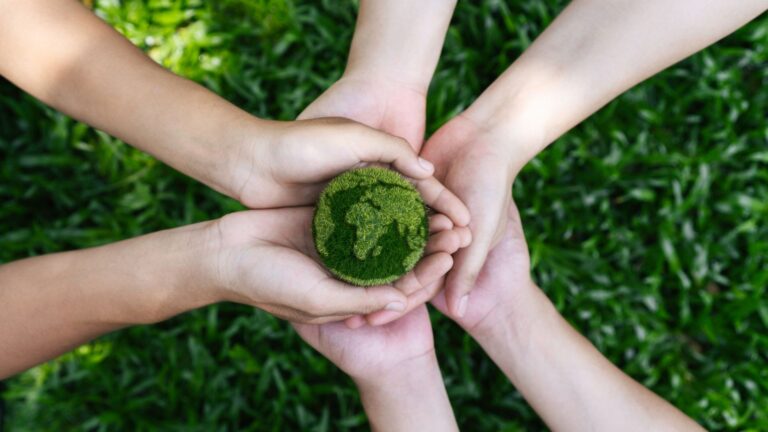
As a parent or guardian, you play a crucial role in shaping your child’s values and beliefs.
One of the most important lessons you can impart is the importance of environmental responsibility.
In today’s world, where issues like climate change and pollution are becoming increasingly urgent, teaching children about environmental responsibility is more critical than ever.
In this article, we’ll explore why it’s essential to teach your children about environmental responsibility and how you can empower them to become stewards of the planet.
Understanding Environmental Responsibility
When we talk about environmental responsibility, we’re referring to the idea of taking care of our planet and its resources.
It’s about understanding the impact of our actions on the environment and making choices that minimize harm and promote sustainability.
By teaching your children about environmental responsibility, you’re helping them develop a sense of empathy and connection to the natural world around them.
Benefits for Child Development
Did you know that teaching your children about environmental responsibility can have a positive impact on their development?
When children learn to respect and care for the environment, they also develop important life skills such as critical thinking, problem-solving, and empathy.
By instilling these values early on, you’re setting your child up for success in all areas of their life.
1. Fosters Empathy and Connection to Nature
Teaching children about environmental responsibility helps them develop a deeper sense of empathy towards the natural world.
By learning about the importance of caring for animals, plants, and ecosystems, children develop a stronger connection to nature and a greater appreciation for its beauty and diversity.
This empathy extends beyond their immediate surroundings, instilling a sense of responsibility towards the global environment.
Sign up for our Parenting Courses today!
2. Cultivates Critical Thinking and Problem-Solving Skills
Environmental issues often require complex problem-solving and critical thinking skills to address effectively.
When children learn about environmental responsibility, they are encouraged to think critically about the causes and consequences of environmental problems and to explore potential solutions.
Through hands-on activities and real-world challenges, children develop problem-solving skills that are essential for addressing environmental issues in their communities and beyond.
3. Promotes Creativity and Innovation
Environmental education encourages children to think creatively and innovatively about ways to protect and conserve the environment.
Whether it’s designing eco-friendly inventions, creating art from recycled materials, or planning sustainable gardening projects, children are given the opportunity to express their creativity while finding practical solutions to environmental challenges.
This fosters a sense of agency and empowerment, as children realize that they can make a positive impact on the world through their own ideas and actions.
4. Builds Resilience and Adaptability
Learning about environmental responsibility exposes children to the concept of environmental change and the need to adapt to new circumstances.
Whether it’s learning about the effects of climate change, habitat loss, or pollution, children are taught to understand that the environment is constantly changing and that they must be resilient and adaptable in the face of these changes.
This mindset of resilience and adaptability can be applied to other areas of their lives, helping them navigate challenges and overcome obstacles with confidence.
Sign up for our Parenting Courses today!
5. Encourages Responsible Decision-Making
Environmental education empowers children to make informed and responsible decisions about their actions and their impact on the environment.
By teaching children about the consequences of their choices, such as using disposable plastics or wasting resources, they learn to make environmentally conscious decisions that minimize harm and promote sustainability.
This sense of responsibility extends beyond environmental issues, influencing their decision-making in other areas of their lives as well.
6. Fosters Collaboration and Community Engagement
Environmental education often involves collaborative learning experiences that encourage teamwork and cooperation among children.
Whether it’s working together on a community garden, participating in a beach clean-up, or organizing an environmental awareness campaign, children learn the importance of collaboration and community engagement in addressing environmental challenges.
These experiences foster a sense of belonging and connection to their community, instilling values of social responsibility and civic engagement from a young age.
By fostering empathy, critical thinking, creativity, resilience, responsible decision-making, and community engagement, teaching children about environmental responsibility equips them with essential skills and values that are not only beneficial for their personal development but also essential for creating a sustainable and thriving future for our planet.
Sign up for our Parenting Courses today!
Building a Sustainable Future
As a parent, you undoubtedly want the best for your child’s future.
By teaching them about environmental responsibility, you’re not only preparing them to be responsible citizens but also helping to create a sustainable future for generations to come.
Small actions taken now, like recycling, conserving water, and reducing waste, can have a big impact on the health of our planet in the long run.
Practical Applications in Daily Life:
You might be wondering how you can teach your children about environmental responsibility in practical terms.
The good news is that there are plenty of opportunities to incorporate environmental lessons into your daily routines.
Whether it’s gardening together, recycling household items, or conserving energy, there are countless ways to make learning about the environment fun and engaging for your child.
Sign up for our Parenting Courses today!
Addressing Environmental Challenges
It’s no secret that our planet is facing some significant environmental challenges.
From climate change to pollution, the stakes have never been higher.
By educating your children about these issues and empowering them to take action, you’re helping to ensure a brighter future for all.
Teaching your children about environmental responsibility is not just about protecting the planet – it’s also about equipping them with the knowledge and skills they need to make a difference.
Leading by Example
As a parent, you are your child’s first and most influential teacher.
By modeling environmentally responsible behavior in your own life, you’re showing your child the importance of living in harmony with the natural world.
Whether it’s choosing sustainable products, reducing your carbon footprint, or advocating for environmental causes, your actions speak louder than words.
Collaborating with Schools and Communities
Your child’s education doesn’t stop at home – it extends to their school and community as well.
By working together with educators, environmental organizations, and community groups, you can reinforce the lessons of environmental responsibility taught at home.
Whether it’s participating in community clean-up events or supporting environmental education initiatives at school, there are plenty of ways to get involved and make a difference.
Sign up for our Parenting Courses today!
Empowering Children as Agents of Change
It’s essential to empower your children to be agents of change in their own right.
Encourage them to speak up for the environment, take action on issues they care about, and lead by example in their own lives.
Whether it’s starting a recycling program at school or organizing a beach clean-up with friends, there are countless ways for children to make a positive impact on the world around them.
Conclusion
Teaching your children about environmental responsibility is one of the most important gifts you can give them.
By instilling a sense of respect, empathy, and stewardship for the planet, you’re not only preparing them for a brighter future but also helping to create a world where all living beings can thrive.
So, take the time to teach your children about environmental responsibility – the planet, and future generations, will thank you for it.
Sign up for our Parenting Courses today!

- Foster Parenting vs Adoption: Which Path Is Right for You? - March 19, 2026
- Emergency Foster Care: How It Works and Who It’s For - March 19, 2026
- Apply to Become a Foster Parent: What to Expect from Start to Finish - March 19, 2026


Leave a Reply